Lessons Learned from Twenty Years of Adults Martial Arts Classes
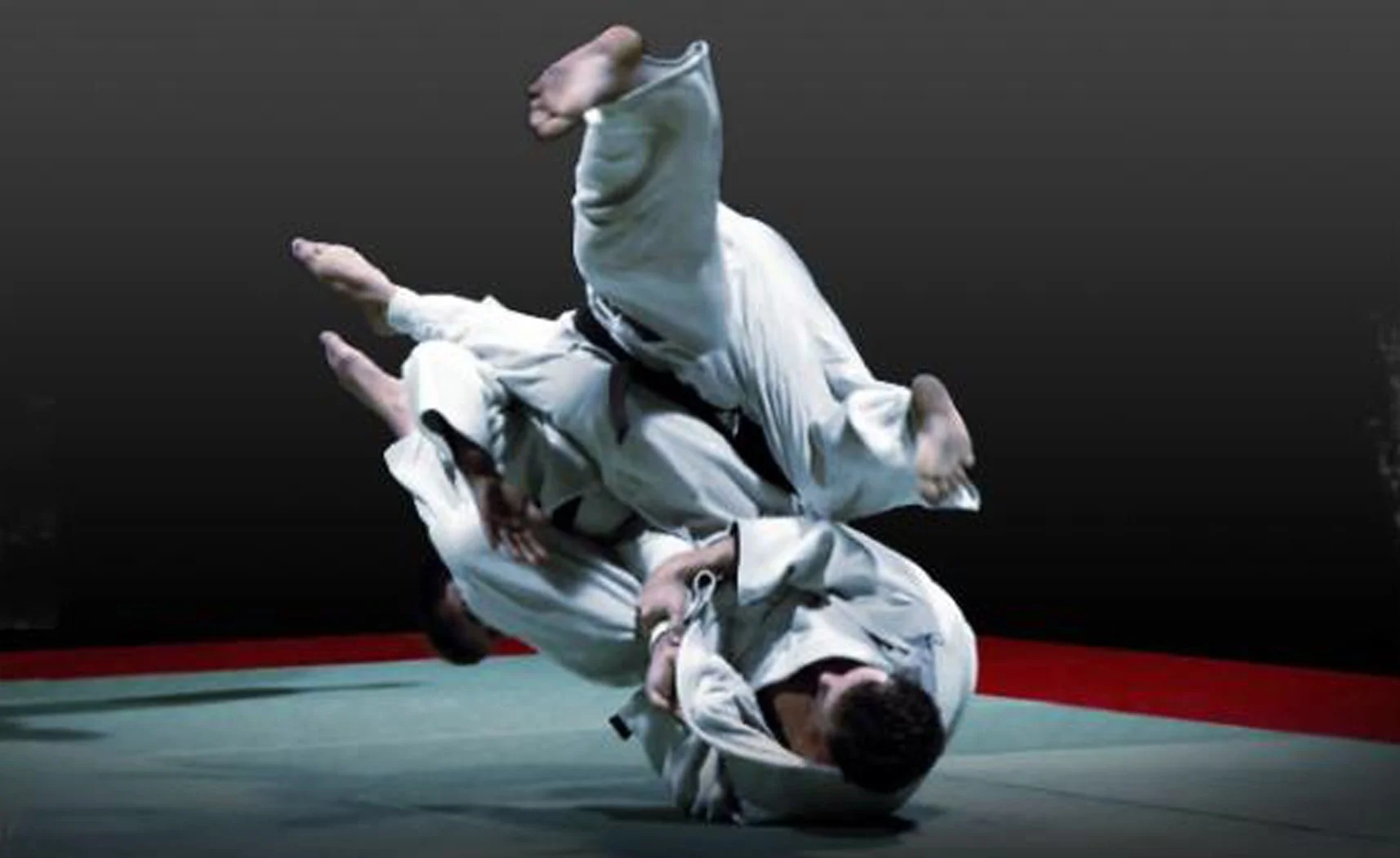
Martial arts classes offer much more than just the ability to throw a punch or execute a takedown. Adults martial arts classes have been a lifesaver for me in many ways over the years. I’ve been practising martial arts for over twenty years, and I’ve tried many different styles. I have a black singlet in Muay Thai and a purple belt in Brazilian Jiu Jitsu.
The classes have taught me discipline, resilience, and a way to navigate the chaos of conflict, both physical and mental. Yet, when it comes to self-defence, practicality and realism are the true cornerstones of effective training. Below I will go through my martial arts philosophy, the benefits of martial arts, how to find a good martial arts school and go over some advice about martial arts gear.
I’ve learned from my martial arts journey lessons forged through rigorous practice, pressure testing, and an unwavering commitment to techniques that hold up in the real world. From sparring sessions to studying the psychology of confrontation, these insights form the foundation of my approach to training.
Whether you're a beginner or a seasoned martial artist, these principles can help you refine your practice and stay grounded in the ultimate purpose of martial arts: preparation for the unpredictable.
Every student should leave adults martial arts classes more proficient than when they went in. For me, proficiency means that they are better able to handle themselves during a violent confrontation, both in the ring or on the street.
My Martial Arts Philosophy
Over all the years training in adults martial arts classes, I’ve developed a martial arts philosophy that I think applies to everyone practicing martial arts, regardless of the type.
Training should be realistic and energetic.
Each technique should have a purpose, be easy to implement in real circumstances, as well as hold up to pressure testing (increasingly hard sparring). What is taught in adults martial arts classes should be based on real situations (taken from CCTV footage, victim accounts and interviews with fighters), statistically based (training to counter the most common situations) and most importantly:
Techniques should be based on how a human body reacts under pressure.
Whilst flashy and technical techniques look impressive and require a level of mastery to perform, they are not practical. Unless it can be performed under the duress of a real conflict, with adrenaline pumping, in an unfamiliar environment with their life on the line, it is of little use.
I don't believe in flashy moves or wishful thinking.
I believe in what I can test and what I can teach others to perform under pressure. Situations that require self-defense are not the time to be unsure of yourself or your teachings.
It is with that mindset and martial arts philosophy that I approach my own training. All techniques should be pressure tested against increasingly resistant opponents as well as usable whilst sparring. Regardless of the style trained, contact sparring should be a constant thing. Every night at the end of my Muay Thai and BJJ classes we would spar, sometimes it would be light and technical, other times it would be a war. It was from these sessions that I soon learnt which techniques (for me at least) were legit. If it worked for me or against me, I gave it further consideration.
I consider cross training and competing a must. It is very easy for martial artists to live in the ivory tower of 'my style/instructor/gym' is the best, with no evidence other then the fact that it is what they do. If it works, it works, the only way to be truly sure is to test it widely and continuously.
Finally, all self-defense instructors in adults martial arts classes should spend some time covering prevention, de-escalation and post conflict survival, or at least direct their students to an expert in those areas.

Benefits of Martial Arts
The benefits of martial arts are multifaceted, encompassing the physical, psychological, social, and spiritual. Whether you're training adults martial arts classes for fitness, healing, personal growth, or community, martial arts offers something powerful for every part of the self. Below, I explore how each of these dimensions is impacted by consistent martial arts practice.
Physical Benefits of Martial Arts
There are a lot of physical benefits of martial arts. A great reframe for exercise is simply this: move your body. That doesn’t have to mean lifting weights in the gym or doing pilates. It just means movement, and martial arts is one of the most comprehensive, engaging, and dynamic ways to move. It incorporates all four pillars of physical health: balance, strength, cardiovascular endurance, and flexibility.
With each training session, your coordination improves as your body learns new movement patterns. Your proprioception sharpens as you gain control over muscles you may not have consciously used before. Depending on the discipline, like jujitsu, wrestling, or judo, you’ll build strength through constant resistance training, engaging not only your major muscle groups but also your stabilizers and everything in between.
Every effort to subdue or escape an opponent pushes your stamina and physical resilience. By the end of class, you’re sweating, tired, and sore, but in the most satisfying way. In my experience, nothing quite compares to the dopamine rush of a martial arts session. People talk about a runner’s high, but I’d argue there’s something even better: a fighter’s high.
Psychological Benefits of Martial Arts
If you come to martial arts from a background of trauma, anxiety, or low self-esteem, the psychological benefits of martial arts are especially clear. One of the most empowering aspects is learning how to defend yourself. When you train in a martial art with real-world application, like boxing, judo, wrestling, Muay Thai, or jiu jitsu, you’re learning techniques that work against trained, resisting opponents. You develop the skills to protect yourself, and you begin to trust that what happened to you in the past doesn’t have to happen again.
That kind of internal shift takes time, years, even decades, but it all adds up. Each training session puts a point on the scoreboard for your future. The body keeps the score, and martial arts slowly writes a new narrative of strength, safety, and hope.
Beyond trauma, the self-esteem benefits of martial arts are profound. As your body gets stronger and more capable, and as your technique improves, you witness your own growth in real time. Every hour on the mat becomes a clear reflection of effort translating into progress. Externally, that might show in grading achievements or competition wins, but internally, you’ll notice a deeper change. The psychological momentum this creates, of effort equalling growth, is incredibly motivating and affirming.
Social Benefits of Martial Arts
Find a good gym, and you’ll find a tribe. Martial arts has a way of bonding people together, partly through the nature of training itself (yes, consensual violence!) and partly through the shared pursuit of improvement. You may not choose who you train with, but over time, those people become part of your life. Whether they become close friends or simply familiar training partners, you’re part of something bigger.
One of the benefits of martial arts is that it breaks down social barriers. Difference in politics, religion, and lifestyle tend to dissolve on the mats. You’ll see cops training alongside stoners, teenagers rolling with retirees, women working with men, and every other combination. The diversity is beautiful. What connects everyone is the shared respect for the art and the common goal of becoming better.
Spiritual Benefits of Martial Arts
Martial arts may start as a weekend activity or a way to build confidence, but over time, it often becomes a path and a way of life. You will start to see the spiritual benefits of martial arts grow over time. Training pushes you to your limits, reveals your character, and teaches you to observe yourself under pressure. You start to see martial arts as more than just physical practice, it becomes a mirror and a method for self-discovery.
Miyamoto Musashi, arguably the greatest martial artist of all time said, “If you know the way broadly, you see it in all things.” This quote speaks to the profound truth that if you go deep enough on the mats, you will receive wisdom across all aspects of your life.
His book Dokkōdō, or The Way for Those Who Walk Alone, is a timeless collection of 21 philosophical principles written just days before his death. Rooted in Zen, stoicism, and martial discipline, the teachings offer guidance on self-reliance, non-attachment, and living with integrity. Musashi's wisdom encourages readers to walk a solitary path of personal mastery, free from material distractions, emotional extremes, and societal approval. Though brief, it carries profound depth and serves as a compass for anyone seeking clarity, discipline, and inner strength in a complex world.
If you train an internal art like Tai Chi, the spiritual depth and the spiritual benefits of martial arts can deepen even further. You begin to explore energy work, intention, visualisation, and flow. Martial arts becomes a kind of moving meditation, helping you connect with your body, your breath, and something greater than yourself.
But all of this is just theory until you try it for yourself. No list of benefits can substitute for the experience of stepping onto the mat and feeling the change happen from the inside out.
The hardest belt to earn is the white belt because it means showing up for the first time. So just start. See what martial arts can do for you.
How To Find A Good Martial Arts School
With that said, not every martial arts gym will be for you. Starting as an adult can be confronting, embarrassing, and overwhelming: these feelings are normal and need to be acknowledged and taken into account when choosing. So if you are wondering how to find a good martial arts school, let’s go over some basics.
Finding the right martial arts school can make all the difference in someone’s training experience. Let’s start by defining your goals. Are you looking for self-defense, fitness, competition, or personal development? Different schools focus on different aspects, and if you know what you want, you’re more likely to find it.
Shop around your local area and do a trial at a few places (at least three). Research the different martial arts styles, and try them all. My personal favorite is Brazilian Jiu Jitsu, and I train a little bit of MMA as well, I find this combination is what works for me. In the past I’ve done karate and krav maga too, and my focus has changed over the years.
Doing at least three trials of gyms in your local area will mean you have a good idea of what’s out there, and then you can choose one that works for you.
While you are there, observe how the coaches interact with you and the regulars. Look how the regulars interact with you. A good instructor should have experience, proper certifications, and a teaching style that suits you. Look for instructors who emphasize technique, safety, and personal growth.
Consider the culture and cleanliness of the gym as well as the facilities and find one that matches your personality and timetable needs. A good school should have a welcoming, respectful, and supportive environment too. Avoid places where instructors or students have an ego-driven, toxic attitude.
Smaller class sizes often mean more personalized attention, which is beneficial for beginners. However, a larger school might have more timetable availability, more networks and more opportunities for trying things. Be wary of long-term contracts with no flexibility. Some gyms offer pay-as-you-go options, while others require memberships. Make sure the pricing is clear and you feel comfortable with it.
Check online reviews, ask current students, and look for red flags like frequent injuries, hidden fees, or poor teaching quality. Ask your friends and family for how to find a good martial arts school as well, if a few people recommend the same school to you, that place definitely is worth doing a trial at.
If something seems off or sus, leave and find somewhere else to train. These people will become your friends, or at least you need to be able to trust the safety of your body to them. So choose with care! A good gym will become a second home to you, and be your community long term.
What Martial Arts Gear Should I Buy?
If you’re looking to get started with adults martial arts classes, you’ll need some martial arts gear. Don’t buy the expensive stuff (at least not starting out). Oftentimes the gyms will sell you their branded gear, this is usually pretty cheap but also pretty low quality: good enough to start out, but the downside is that if you change gyms you may not feel comfortable training with a competitor’s branded gear.
My suggestion is to buy some cheaper martial arts gear first to see if the martial arts style is a good fit for you and then when you know a bit more about what you need and have made some friends who can recommended brands, you can invest in something of higher quality. That said, 20 years later and my first boxing gloves are still holding themselves together.
Here is a list of some decent starting out martial arts gear, choose the options that fit your style and enjoy!
Box Gloves - 16 oz is best for sparring, pad work, and bag work for boxing, MMA, kickboxing, and Muay Thai. Whatever you choose, make sure you don’t get ‘training mitts’ - these don’t have a covered thumb and in my opinion are basically worthless.
MMA gloves - These are the small finger gloves as opposed to the boxing gloves above, they can be used for ground work, on the pads, and sparring.
Shin Pads - For MMA, kickboxing, Muay Thai, and some Karate.
Shorts - For MMA, kickboxing, No-Gi Jiu Jitsu.
Muay Thai Shorts - These have an interesting look and to be honest, starting out you may not need them and the above MMA/No-Gi shorts would probably suffice for quite some time.
Mouth Guard - If you don’t buy anything else, this is a must in my opinion. Teeth are expensive!
Jiu Jitsu Gi - Get a White Gi just in case your chosen gym has a dress code. Here is a guide on how to tie your belt.
Head Gear - Stops you getting bruised or cut or broken when doing striking sparring. I like the ones that have a face cage to protect my nose.
Hand Wraps - For MMA, Boxing, and Muay Thai - these come in multiple sizes, get the longer ones as they offer more support. It is a bit of an art form to wrap yourself, this video will help, or get one of your training partners to teach you.
If you are looking for long term value and quality, and are ready to upgrade to some higher quality gear, I recommend anything by Hayabusa, they are a bit more expensive but if you plan on training for a while it is worth it.
If You’re Looking To Try Adults Martial Arts Classes, Just Dive In And Give It A Go!
Finding the right martial arts school is just the beginning. To truly grow in your practice, it’s important to develop your own martial arts philosophy. This is a mindset that extends beyond physical techniques and into daily life. Martial arts teaches discipline, resilience, humility, and self-awareness, shaping not just how you fight, but how you approach challenges, relationships, and personal growth.
You can start by using my martial arts philosophy above, and add to it with your own experiences. By embracing the deeper lessons of martial arts, you cultivate mental clarity, emotional control, a strong sense of purpose and the benefits I’ve had in my mental health are really worth it as well.
You won’t get any of these benefits if you haven’t tried it, so have a go and see what you can get out of adults martial arts classes. Martial arts is more than just a workout, I’ve found it to be a lifelong journey of self-improvement, both physically and mentally.