BLOG
Supporting you in the process of radical self-acceptance, healing, and growth.
What Is Intuitive Guidance?
Intuitive Guidance is a transformative process that invites you to release old wounds, reintegrate lost parts, and reconnect with your true self.
It holds to the premise that the body keeps the score. Simply put, what we don't or can't process manifests over time as illness, injury, psychological blocks, and stress. The good news is that by turning our attention inward, calming the nervous system, connecting with the body, and allowing it to express what has been held, release and healing naturally begin…

Release Shame And Express Your Sexuality
Release shame and express your sexuality. Even just writing those words fills me with a sense of, well, shame.
There is an embarrassment that comes when you begin to contemplate who you are and what you want, both in and out of the bedroom. We seem conditioned to pull away from anything more than standard, vanilla, socially acceptable expressions of the self.
There is a narrative, born of tradition, education, religion, and media, that seems to suggest it is okay to like and do and be one set of things, but not others…

Do I Need Therapy? Yes, Everyone Needs Therapy… Even You!
The simple answer is yes, you need therapy. But so do I, as well as everyone else. Everyone needs therapy. Asking yourself the question, ‘Do I need therapy?’ is one of the first steps towards a life of peace, purpose, and meaning. It is also one of the first steps towards acknowledging and accepting how fucked up the world is and in turn how such a world is impacting us.

Hypersexuality After Abuse
One of the least discussed of the patterns we carry is hypersexuality after abuse, especially when it arises from the fawn response, a lesser-known trauma reaction. When fight, flight, or freeze aren't options, some individuals learn to appease. This coping strategy, often developed during or after abuse or neglect, can manifest later in life as hypersexual behaviour. While often misunderstood or judged, hypersexuality in this context is not about desire, it's about survival - at least on one level.
Intuitive Guidance for Self Healing
Welcome to Intuitive Guidance for Self Healing, a transformative course that invites you to release old wounds, reintegrate lost parts, and reconnect with your true self.
Intuitive Guidance holds to the premise that the body keeps the score. Simply put, what we don't or can't process manifests over time as illness, injury, psychological blocks, and stress. The good news is that by turning our attention to the body, connecting to it, and allowing it to express, it will begin to release…
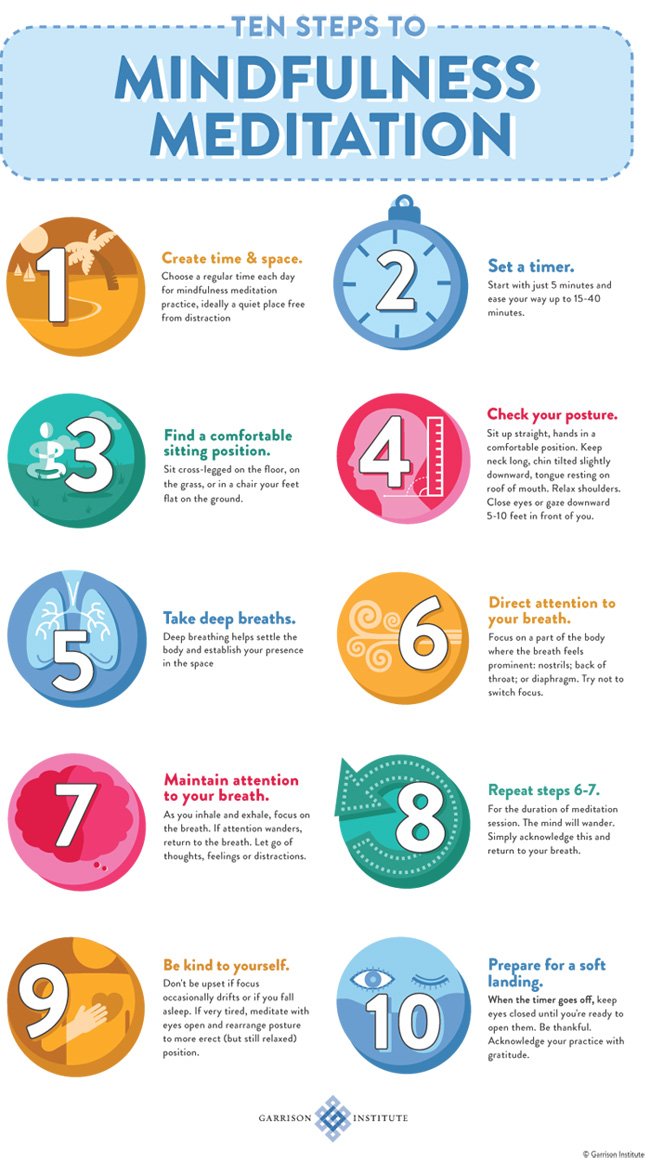
How To Meditate On Your Own
This section brings together all the practices, techniques, and concepts introduced in this book. It will serve as both a short summary and as an option to refer to for your daily mindfulness practice.
Firstly, please keep meditating! There is a lag between our actions on the meditation mat and the benefits to our mental state. But just as we know that if we keep lifting in the gym we will get stronger, we need to keep in mind that if we continue to meditate we will eventually see positive changes. Reductions in anxiety and rumination, as well as an increase in clarity, calm and focus. Our relationships will improve, along with our decision-making abilities. We will begin to know ourselves on a deep level and therefore be in a better place to make decisions for our future….
Discover Your Divine Purpose
You are invited on transformative journey of self-awareness and personal growth to discover your divine purpose - the unique mission that aligns with your soul's calling. This course presents 10 profound questions that provide an opportunity to explore new possibilities, unlock deep potential, and redefine the course of your life.
Each session begins with a guided meditation designed to relax your body and prime your mind to be ready to sit in contemplation. From this place of openness, you will be asked a question and invited to allow answers to unfold, welcoming in wisdom, guidance, and insight..

The Feel Of Mindfulness: Poems From The Present Moment
This book began with an introduction to the practice and principles of mindfulness broadly, providing you with an opportunity to start meditating immediately. Then it branched out and drilled down on different areas, clarifying, explaining, and expanding your knowledge.
If you have worked through all the Meditations and Glimpses, you now have a strong set of tools in your mindfulness toolbox and will be able to integrate the practice into your daily life….
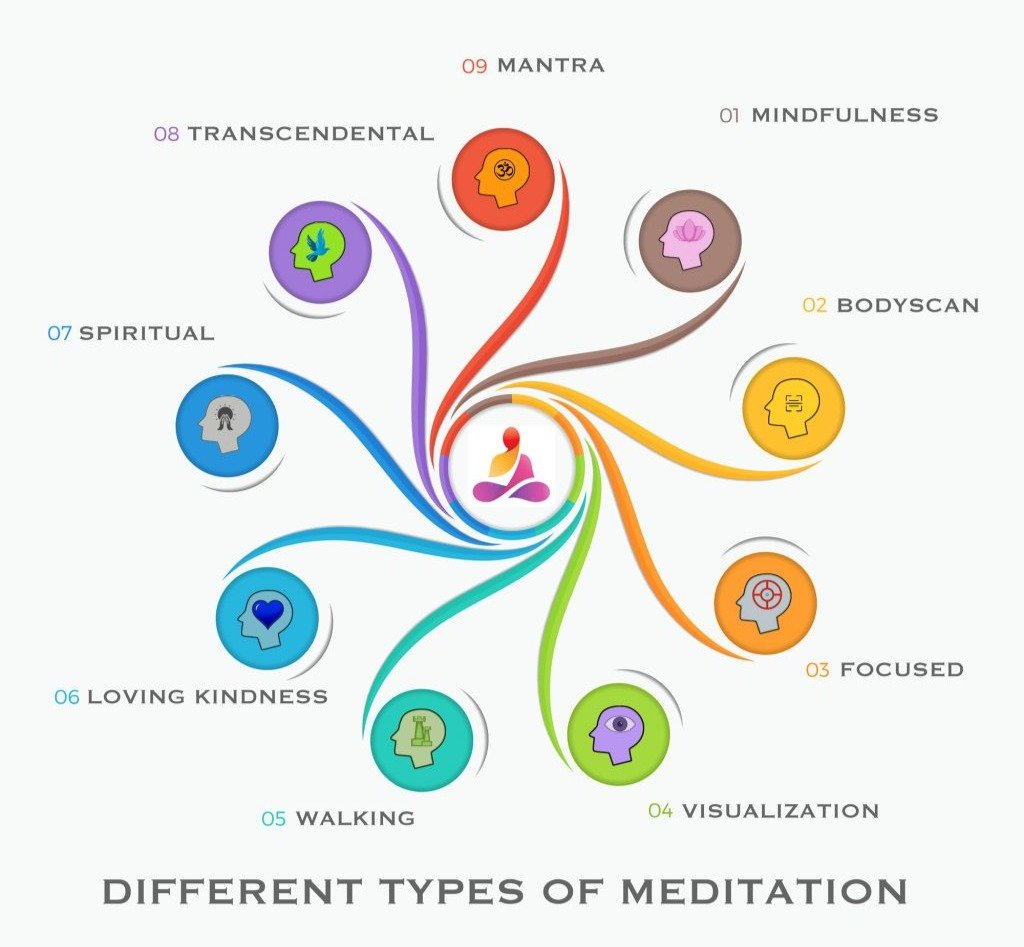
Beyond the Cushion: Practices That Enhance Mindfulness
On its own, mindfulness will be a tremendous boon to your mental state, relationships, and overall functionality; but there are some complimentary practices that when combined with mindfulness, can produce additional benefits in the practitioner’s life.
Not everything that follows will be for you and that is okay. Consider these as optional extras, or side dishes to the main that is mindfulness. They are certainly not necessary, but some people swear by them…

The Wild Elephant Analogy: A Buddhist Guide to Mind Training
What follows may appear a touch terse to the modern ear, but nonetheless it does provide a good likeness to the approach we are undertaking with our minds when we practice mindfulness. So, if you find this section obtuse or emotionally impactful, I encourage you to use the skills gained in the previous section ‘Addiction, Emotions, and Conflict’ to investigate those feelings…

Mindfulness for Managing Anger, Cravings, and Difficult Situations
During a formal session we choose a meditation object and attempt to maintain our focused attention on it for the duration, with our broad awareness scanning, highlighting, and labelling any potential distractions that risk drawing away our attention. We may shift our focus, but only do so when we are under extreme physical or emotional discomfort, or when we are practicing on the spectrum of awareness...

Why Tradition Can Hold Back Your Meditation Practice
I am not a traditionalist. I believe in doing what works, not what has always been done for its own sake. Humans have a way of ritualizing behaviors that produce positive outcomes. We find something that works, then dogmatically stick to that approach out of fear of failure. The problem with that approach is that it may both lock in superfluous practices, but also discourages experimentation and innovation. The following two anecdotes highlight the potential risks surrounding unquestioning obedience to tradition…
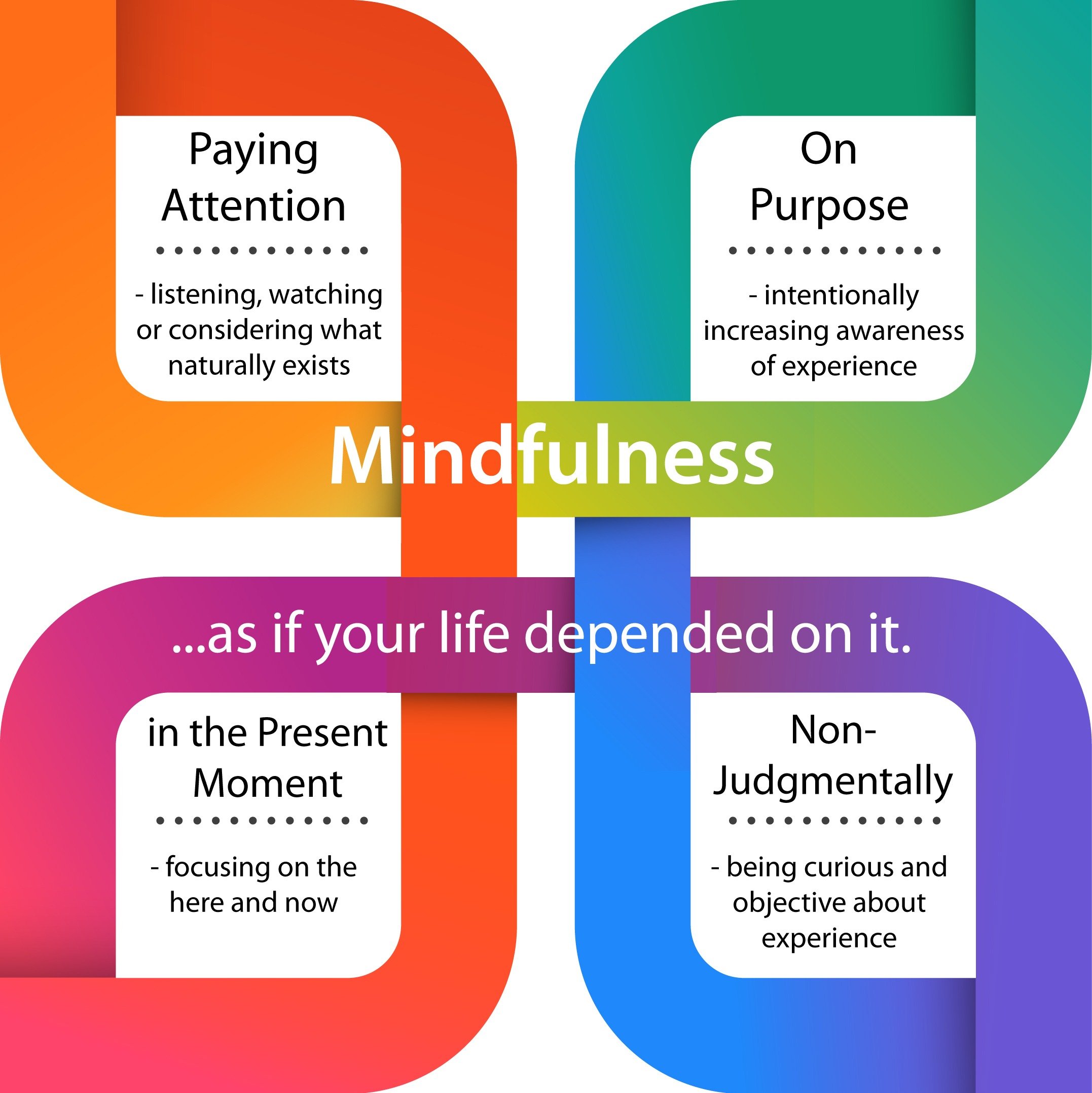
The 4 Types of Awareness Every Meditator Should Try
Once we have some experience with mindfulness meditation, we can begin to explore different types of awareness and expand our practice in unique and interesting ways. Up to this point, the meditations and glimpses in this book have been object based. That is, we choose a meditation object, like the breath, a mood, or a sound, and repeatedly return our attention back to that object when our mind wanders…

Mindfulness Without the Chase for Enlightenment
What is the nature of enlightenment?
Does realisation come suddenly or gradually?
Is it permanent or does it require continual work to maintain?
Is there even a state to attain or are we simply unaware of our inherent ‘Buddha Nature’?
Is meditation even necessary for enlightenment?
Does the enlightened state even exist?

How to Refine a Poem: Step-by-Step Real Edits
In this post I share the progress that some of my poems took to reach their final form. I will share with you how they originally formed, as well as some of the changes that they went through along the way, finishing with the final form of the poem that I settled on…

8 Poetry Writing Activities That Actually Work
What follows are some activities to help you begin or enhance your writing process. I suggest that you don’t just read what follows, but actually give the activities a try. I have put these here for a reason – they work. They won’t all work for you, but some certainly will…
How Taking a Break Can Improve Your Poetry
Sometimes I will ‘finish’ a poem, but I won’t be totally satisfied with the result. Something feels off. Incomplete. Forced. Contrived. Or just not ‘me’. When this happens, I sleep on it – literally. I will save the poem and return to it the next day and take another go at it…
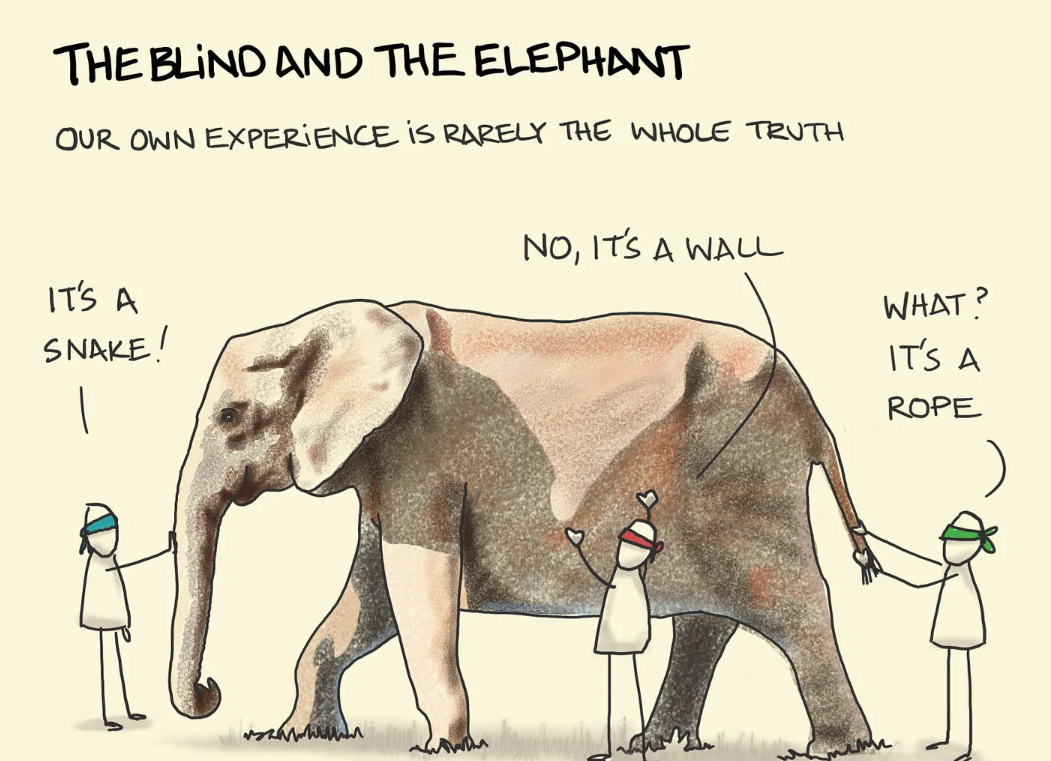
The Importance of Feedback in the Writing Process
Sometimes we are simply too close to our work to be able to see it for what it is. Perhaps the subject matter is too emotional, or the writing process was too taxing…

How to Choose a Powerful Poem Title
You want to carefully consider the name of your poem. Often the name will come from a word or a line within the poem that best exemplifies its meaning. You want to choose a word or phrase that is catchy and symbolic. Consider the names of most of the poems presented in this book and you will see that I usually adhere to this rule. …

Presentation Matters: How a Poem Looks Changes How It Feels
Consider how you want the poem to ‘look’ on the page. Make an active choice about its alignment, paragraph structure, title, and the use of capitalizations and grammar (or lack thereof). You are the artist and therefore you will want the words on the page to transmit to the reader in a certain way. These choices help to make that happen – of course, the reader is free to take your work however they like! Just be internally consistent within the poem…