- A chapter from How To Write Evocative Poetry -
Sometimes I will ‘finish’ a poem, but I won’t be totally satisfied with the result. Something feels off. Incomplete. Forced. Contrived. Or just not ‘me’. When this happens, I sleep on it – literally. I will save the poem and return to it the next day and take another go at it. Often I find that there is something wrong with the meaning, the word choices, the layout, the grammar, or the flow. Most of the time all I need is one day, but sometimes a poem needs weeks, or in the case of Can’t Quite Express (above) seven years.
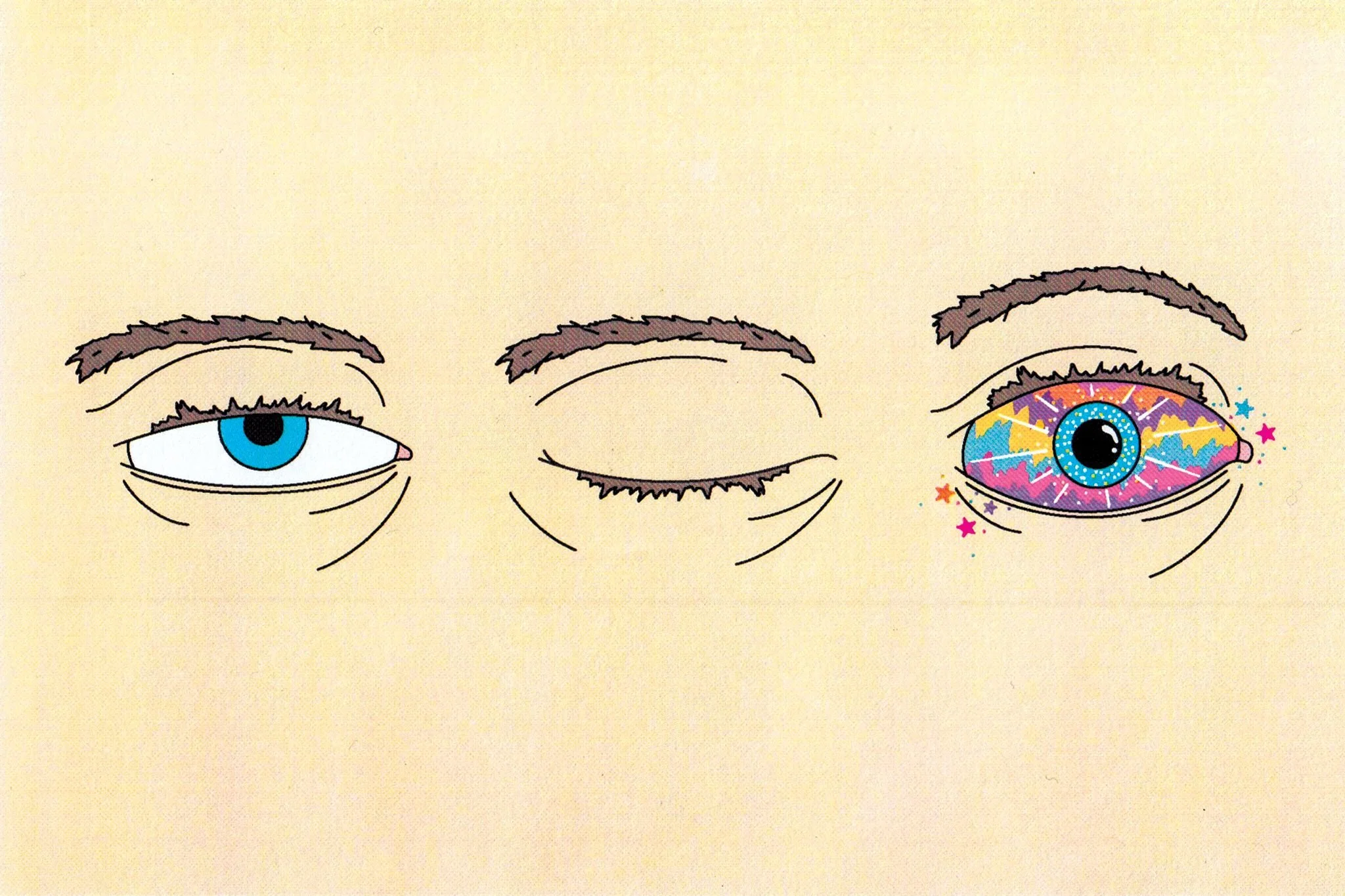
The break allows your mind to reset and refocus. It is a way to force yourself to detach from the poem and then to see it in a new light. Just one night may be enough to fix those unexplainable issues you feel about your work. If, after a day or so, you haven’t made any changes, chances are that the negative feelings about your poem is coming from an issue of self-worth or confidence about yourself, rather than an issue with your current poem. If you have made changes and are still not totally happy, perhaps a longer break from the poem is necessary for you to get the needed level of detachment to identify and fix it.
I wrote the poem souls entwined and felt it was done - almost. It was projecting the message and feeling that I wanted to express, it was tying the loop with the phrase ‘escape their fate’ and had multiple uses of the rule of 3. But something was off, and I couldn’t quite place it. So, I put the poem away and came back to it the following night, rewording and renaming it to escape their fate. You can decide which version is ‘better’ but personally I like the latter. It feels less forced, less contrived and has a different flow. I feel like it tells a more real story and projects its core meaning better.
souls entwined
souls entwined
same trauma
same pain
same desire to escape their fateancestors collectively mourning
lost childhoods
lost freedoms
lost innocencedrawn together
shared suffering
shared knowledge
shared hopesdesperately praying
for a better future
for a break in the cycle
for their children to escape their fateescape their fate
souls entwined
with a desire
to escape their fateancestors
collectively mourning
lost childhoodsdisparate people
drawn together
by shared sufferingstumbling
forward
into a new lifefleeing their pasts
unwittingly creating
their futuresthey know
what not to do
but not what to doattempting to avoid
the same mistakes
their parents madedesperately praying
for their children
to escape their fate
Almost all work benefits from the detached perspective granted by sleeping on it. That said, it isn’t always advisable to make extensive changes to a piece after the fact. Creativity is often purest in its initial moments. Take too long to return to a piece and you may find that it feels stale or somehow off – chances are that feeling is arising because you are no longer in the same headspace you were when you created it.
Summary
If you are struggling to finish a piece take some time away from it before returning with fresh eyes.
This chapter is from the book How To Write Evocative Poetry