BLOG
Supporting you in the process of radical self-acceptance, healing, and growth.
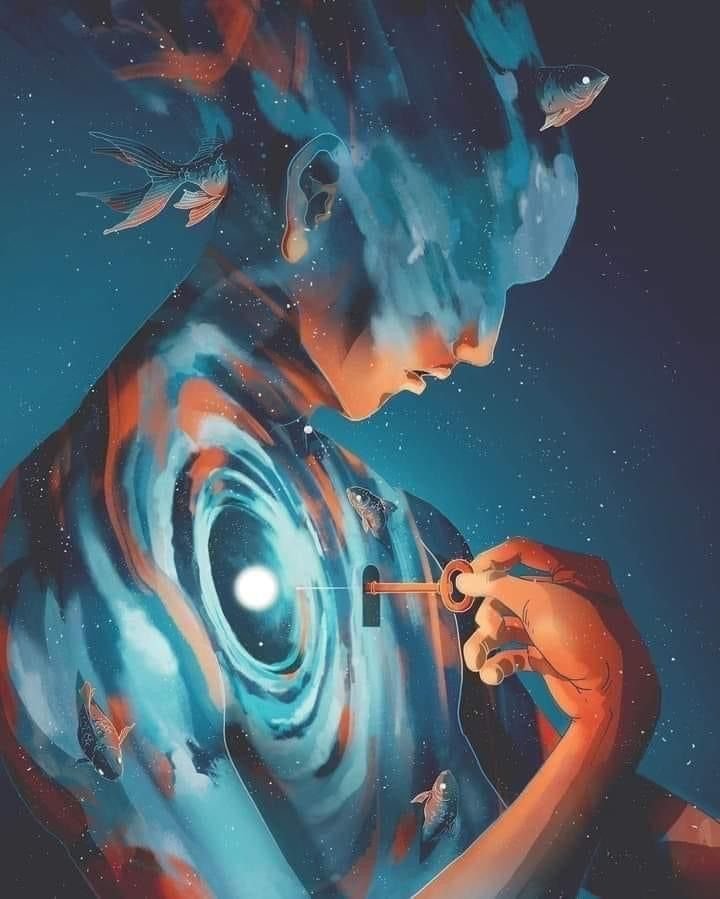
You Can’t Align With What You Don’t Understand
When we turn the camera inwards and look at ourselves, we start to notice our little foibles, intricacies, and thinking patterns. We learn how we respond to the world and the people in it. We see how we handle stress, uncertainty, loss, and success. With this knowledge we can then predict how we will act in response to future events, and thus make appropriate choices.

The Power of Repetition in Poetry
Extending on the previous section, the repetition of words, rhymes, sounds, meanings, and symbolism can make a piece pop. Experiment with groups of three as they tend to sound extra enticing.
In Seed I repeatedly use the dual rhyme endings of ‘eed’ and ‘urt’, the symbolism of seeds and pain, as well as the use of the same words in the penultimate paragraph in a different context from their first mention to evoke an alternative meaning. Finally, I also ‘tie the loop’ with a reintroduction of ‘seed’ at the end.…
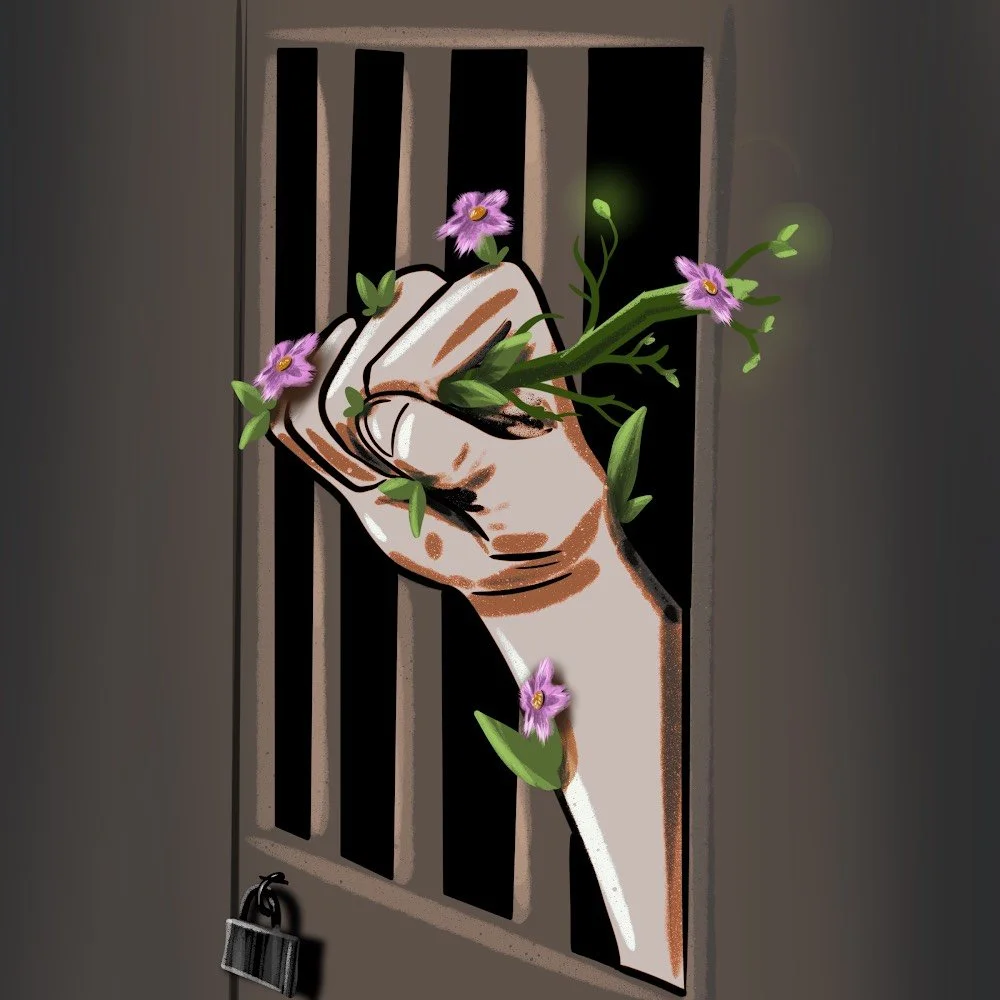
The Poetic Power of Closure
There is a nice feeling of closure that can arise when you end a poem by bringing the reader back to the beginning – this is a common factor in short fiction writing that can also be used to enhance your poetry…

Write Clear. Not Clever.
All words are valid, but some words are more appropriate to use than others. Our goal is to write evocative poetry, not to showcase our impressive vocabulary. It may make you feel smarter, but if it unintentionally goes over the reader’s head, or worse still, is used incorrectly, it will have the opposite of the desired effect…

Minimal Words, Maximum Impact
The human mind evolved to conserve energy. It doesn’t want to waste time trying to interpret ambiguity or confusion. When faced with such, most will give up and move on. This isn’t to say that we don’t want to be challenged, but rather we want to be challenged in a way that we desire. If the grammar and spelling in this book was off, you wouldn’t have read this far, the effort would have been too much. If I used a weird/borderline illegible font to present my poetry, it would never be read. You would take one look at it and move on…
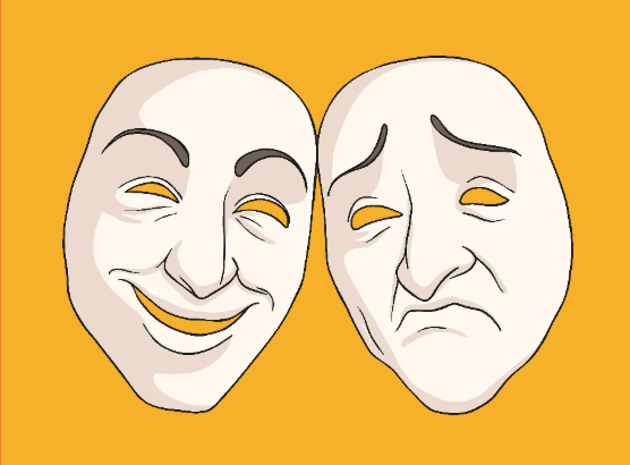
The Art of Showing, the Power of Telling
Probably the most clichéd and widely spouted piece of writing advice comes in the form of ‘show don’t tell’ - Rather than saying how you feel, instead you should show that emotion with imagery, comparison, symbolism, analogy, or specificity of word choice - This is because in general, people respond far more to emotions felt than emotions told…
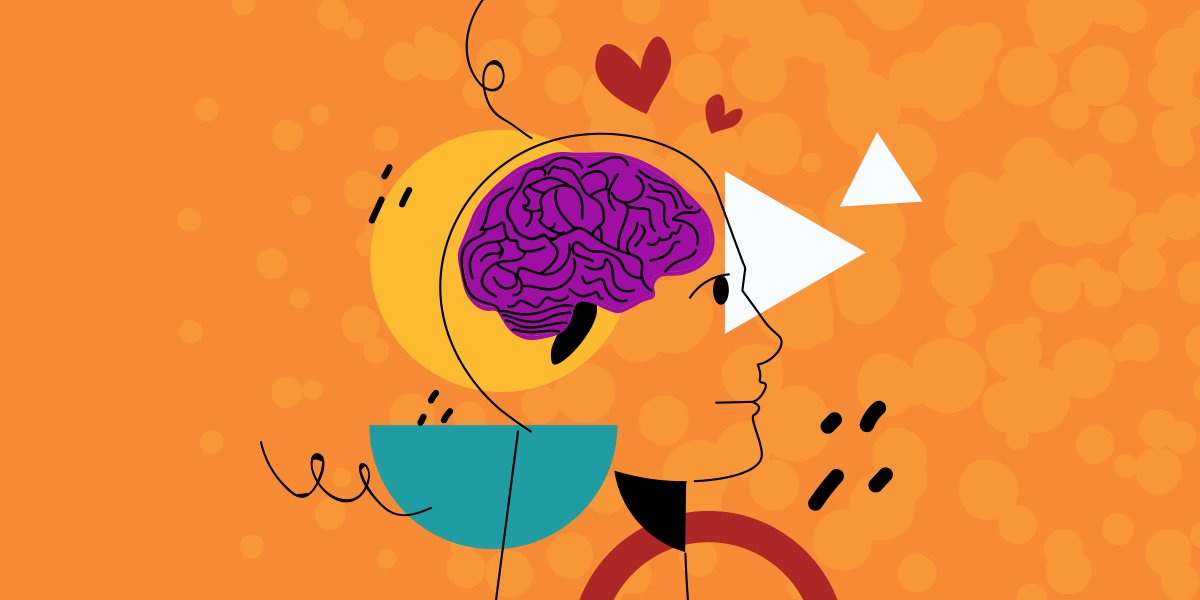
Poetry Hits Harder When It Breaks the Pattern
One way to leave a lasting impression on the reader is to play with opposites and subvert expectations. This will take many different forms, but the basic suggestion would be to twist tried and tested tropes. Turning them on their head and making them mean the opposite of their original meaning, or something new entirely. Surprises, when pulled off well, have added impact due to the shock value…

Storytelling Through Poetry
Your poetry can be anything you like. Yes there are technical ways to write traditional poetry, but ultimately the most evocative poetry comes from pure expression. You can use the poetic space to express a thought, a feeling, or a confusing complex bundle of emotions. You could also use it to tell a story…

Restrictions Boost Creativity
I don’t often adhere to the traditional poetic rules and structures. I prefer to write what comes as it comes. However, there is something to be said about writing with restrictions. Restrictions, be they self-imposed, or derived because of the kind of poetry that you are writing, can boost creativity. I think that one of the largest factors causing ‘writers block’ is having too much choice. When faced with a blank page and no prompts or guidance, most newer writers stumble and become overwhelmed. But when they are told to write a haiku on the topic of a cloudy sunrise, suddenly they get some inspiration – the result may or may not be ‘good’ but something is infinitely better than nothing.…

The Myth of the Writer’s Voice
There is a concept in writers circles known as ‘voice’. This is an almost ethereal, hard to pin down sound that established writers seem to have. Pick a random paragraph from one of the greats and you can just tell that they wrote it without ever knowing it was from them. Perhaps their poetry all has as similar feel, or maybe their pieces have a consistent style. You know how each song from your favourite musician is unique but somehow still sounds like them in a way that you cannot quite explain, yet you nonetheless know when another artist is desperately trying, and failing, to emulate it?…
Inspiration Is Everywhere (If You’re Willing to Look)
If you want to write good poetry, you need to read more than just good poetry. Don’t get me wrong, it pays to analyse and enjoy the greats. But don’t limit your options for inspiration. Read some ‘bad’ poetry and question why you don’t like it…
Silence, Sensitivity, and the Spark of a Poem
Poems have a way of just appearing. Often they come unannounced, bursting out of the silence, screaming to be heard and written down then and there. They are brutal. They don’t negotiate. And they rarely give a second chance. Thus, I have learnt too always be open and ready. I always have something to write on with me; I sleep with a notepad under my pillow, and exercise with another close at hand. I have had the conversation with my family, letting them know that there will be times when I simply must stop whatever it is I am doing to go and write…
Ignore Feedback: You’re Not as Good or as Bad as They Say
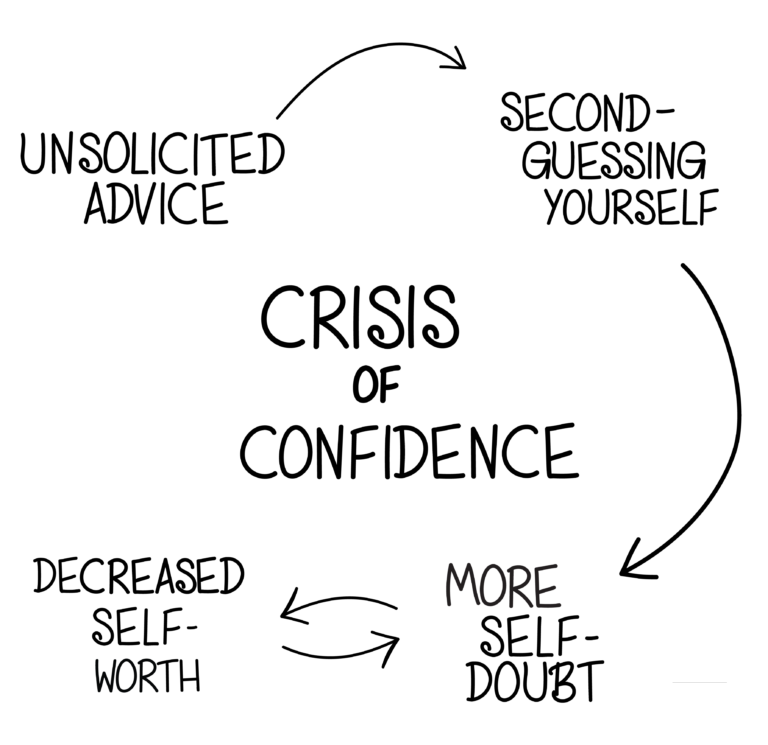
I write for myself and while I care what my readers think of my work and want them all to love it, I have learnt to ignore all feedback that I didn’t ask for directly. This is an act of self-preservation. In the past, I have completely altered projects, or worse still, discontinued or destroyed them, based on unasked for feedback. Most of the time it was unintentional…

Silence the Inner Critic: Let the Words Flow First
Good writing involves two versions of yourself working on the one piece of work: Artist-You and Editor-You. These two versions of you, must work alone as it is almost impossible to write and edit at the same time.
Firstly, Artist-You gets into the zone, isolates themselves from the world, drinks copious amounts of coffee, does a five-minute headstand, prays to the gods, then does the myriad of other things they feel is necessary for them to get the words going goodly. They write until spent, then they put the piece aside and write something else.…

Truth First: Emotional Honesty in Poetry
If you haven’t lost a loved one, it will be exceedingly hard to capture the complexities that such a loss would entail. Life is full of different emotional experiences, some of which will have happened to you. I’d advise, at least in the beginning, to focus your efforts there. This doesn’t mean you have to limit your poetry to those life events, but rather to using the emotions that you have experienced to inform and colour your work. With some introspection and imagination, you can extrapolate the emotional state that may arise from a more extreme version of a situation you have lived through…
Don’t Force It: Let the Poem Come to You
Nothing is lamer than an attempt to force a narrative, political opinion, or a buzz word topic into your poetry. Unless you are passionate about it and extremely competent, the result will come across as tacky, and importantly, it won’t be impactful to the reader. I care about a multitude of issues, but I only put to paper the poems that come to me naturally. I am never happy with the results of forced poetry. After a month or two away from the piece, I find myself cringing at how obviously contrived my work was. Of course, I am critical of my normal poetry, but it is not in the same way. I had a few ‘forced’ poems that I could have included in my books, but I cut them all as I no longer feel what I supposedly felt when writing them originally, and upon reflection I don’t think I ever felt that way…
From Logic to Language: How Poetry Became My Healing Art
Throughout my entire schooling career, I was a left-brain thinker. Math made sense. It had a right and a wrong. It felt like the only solid base in a chaotic world, spawned by a tumultuous home life. This was combined with incompetent and out of touch teachers and terrible examples of poetry that I simply couldn’t relate to. I was left feeling that at best the entire artform was beyond me, and at worst that it was a refuge for pomposity and prose, written by people who have experienced less than they would ever write.…
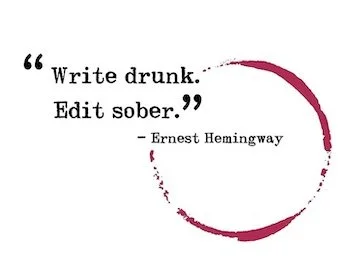
The Relationship Between Drugs & Creativity
There is a risk for poets, and all artists, to believe they need to be drunk or high to be creative. And whilst I have had some amazingly creative thoughts whilst stoned, rarely, if ever have, I produced anything of worth in that mental state. Obviously everyone is different, but I prefer to work with the creative energy sober, for two main reasons: health and practicality…
Writers: Treat Yourself Like A Professional!
Finding the time to write can be hard and staying focused during that time can be harder still. Whether or not you are like me and want to make money off your art (gasp!), or just write for the sheer pleasure or catharsis of it, you will want to make the most of the limited time you get with the page…
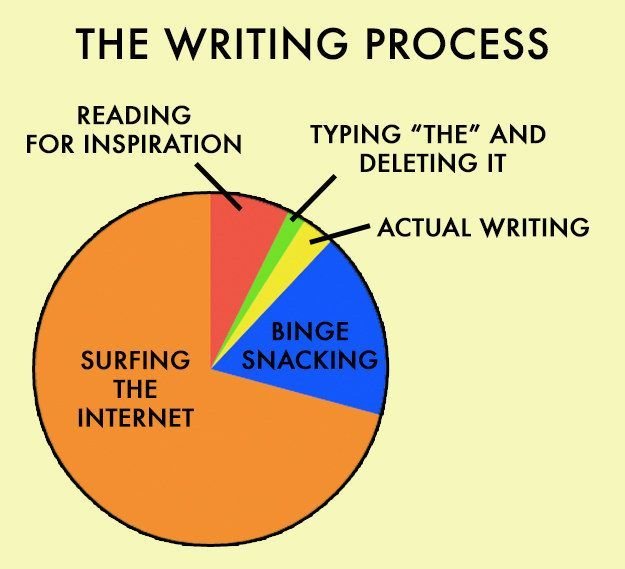
Find The Way To Write That Works For You
Writing feels akin to a combination of exorcising a demon, giving birth, and the following of a holy calling. There is a reason you are reading this book. It is the reason you want to write. You may not even be able to articulate it, beyond a drive, a push, a force, that seems to be moving you in a certain direction. You know when you hold the negative poles of two magnets, how one is compelled to move? You can hold it back, but there will forever be tension…